
Fight for the money you deserve now!
CALL NOW: 910-762-1199
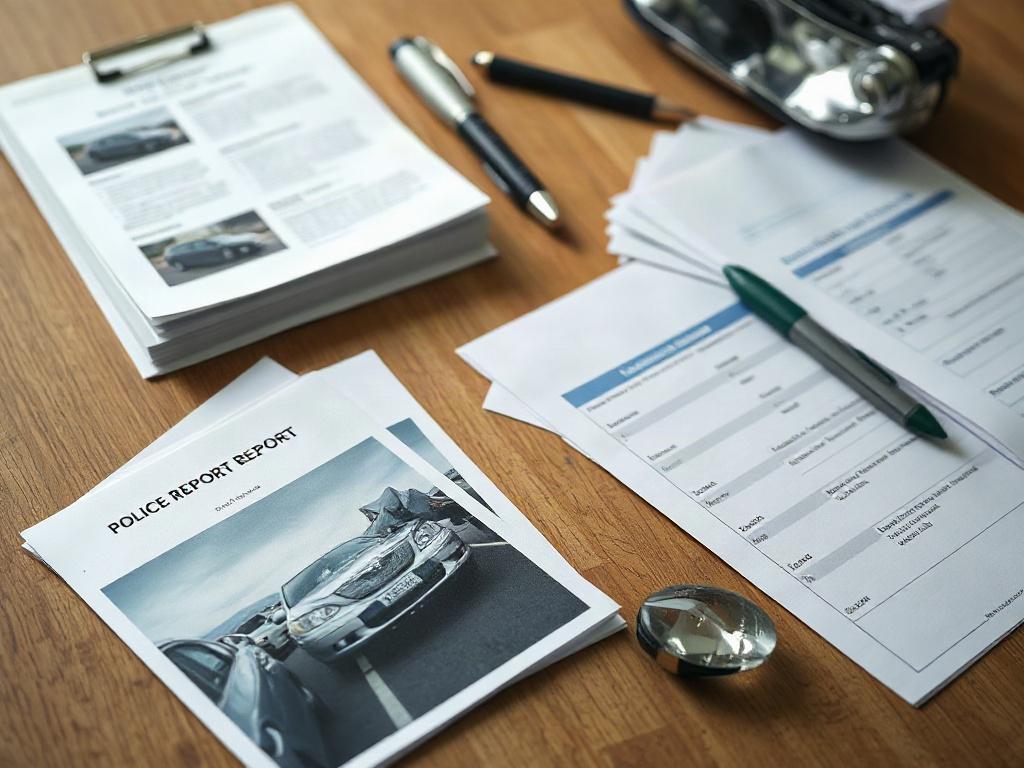
After a crash on Oleander Drive or a busy stretch of US 17, the hours that follow are usually a blur. You're thinking about injuries, a damaged car, and how you'll get to work. Evidence is probably the last thing on your mind. In North Carolina, though, the proof you gather early can decide whether you recover anything at all.
North Carolina is one of only a handful of states that still follows contributory negligence. Under this rule, if you're found even slightly at fault for the accident, you may be barred from recovering compensation. Insurance companies know this, and they'll look for any reason to shift a little blame your way. Strong evidence helps show exactly what happened and who was responsible.
Pictures are some of the most useful evidence you can have. They capture details that fade quickly, like skid marks, debris, and where each car came to rest. If you're able, try to photograph:
When officers respond to a crash, they usually write up a report with their observations. It often includes the date, time, location, driver statements, witness names, and sometimes an opinion about what caused the collision. You can typically request a copy from the responding agency or through the North Carolina DMV.
Reports aren't always perfect. If you spot an error, like the wrong street name or an incorrect statement, let your attorney know as soon as possible. Sometimes the officer can file a supplement or correction.
Independent witnesses can be incredibly valuable because they don't have a stake in the outcome. Ask anyone who saw the crash for their name and phone number before they leave. Their memories are sharpest right after the accident, so reach out quickly.
Your medical records connect the crash to your injuries. They show your diagnosis, the treatment you received, and what your doctors expect going forward. Keep every bill, receipt, and appointment note, including costs for prescriptions, physical therapy, and travel to visits.
Some injuries, like whiplash or concussions, don't show symptoms right away. If you delay treatment, the insurance company may argue your injuries weren't serious or didn't come from the accident. Seeing a doctor promptly protects your health and your claim.
The condition of your car can say a lot about the force of the impact. Repair estimates, body shop invoices, and photos of the damage all help show how serious the crash was. Try not to have your car repaired or scrapped until your attorney has had a chance to document it.
Beyond what you can see with your own eyes, other sources of proof may be nearby. Traffic cameras, dashcam footage, and security cameras at local businesses can capture the moment of impact. The problem is that many businesses overwrite footage within days, so time matters. In more serious cases, data from a vehicle's event recorder may show speed and braking right before the crash.
Showing what happened is only part of a claim. You'll also need to show how the accident affected your life. Helpful documents include pay stubs or a letter from your employer showing missed work, along with a simple journal describing your pain, sleep, and daily limitations. Keep in mind that North Carolina generally gives you three years from the accident to file a personal injury lawsuit.
If you've been hurt in a car accident, we're here to help you understand what comes next. Our team will review your situation, help you gather the right evidence, and fight for the compensation you deserve. Contact Rodzik Law Group today to schedule a consultation.