
Fight for the money you deserve now!
CALL NOW: 910-762-1199
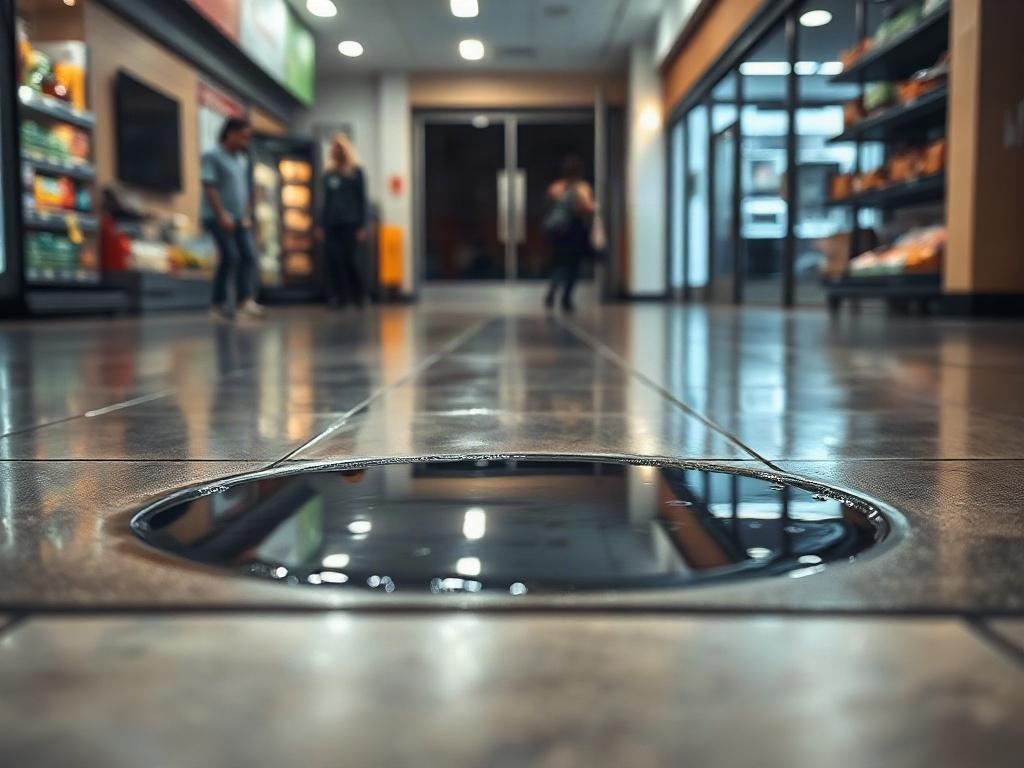
A slip or fall can happen in seconds, but the injuries can affect someone for weeks, months, or even longer. In Wilmington, NC, these accidents can occur in grocery stores, restaurants, apartment complexes, parking lots, office buildings, and other places people visit every day. Wet floors, uneven walkways, poor lighting, and neglected property maintenance are among the hazards that can lead to serious falls.
Not every fall results in a personal injury claim. However, when a property owner's negligence contributes to an unsafe condition, injured individuals may have grounds to pursue compensation. Understanding the common causes of slip and fall accidents can help Wilmington residents recognize dangerous conditions and understand their legal options after an injury.
Wet floors frequently cause slip and fall accidents. Spilled drinks, freshly mopped surfaces, leaking refrigeration units, and rainwater tracked inside can all create slippery conditions. In Wilmington, frequent rainfall and humid weather can make wet entryways and walkways a particular concern for businesses and property managers.
Property owners and businesses should take reasonable steps to address these hazards. Depending on the circumstances, that may include cleaning spills promptly, placing warning signs near wet floors, using appropriate floor mats, and regularly inspecting high-traffic areas.
When a business knows about a spill but fails to clean it up within a reasonable time, someone who slips and is injured may have grounds for a claim. Evidence showing how long the hazard existed and whether employees knew about it can become important when determining liability.
Cracked sidewalks, broken pavement, loose floor tiles, and raised concrete can create tripping hazards. These conditions may be especially dangerous in parking lots, shopping centers, apartment communities, and public walkways where people may not expect an abrupt elevation change.
Property owners and managers should inspect walking surfaces and arrange repairs when necessary. Temporary barriers or visible warnings may also help prevent injuries while repairs are pending.
In a slip-and-fall or trip-and-fall claim, photographs of the damaged surface can help document the hazard. Maintenance records, witness statements, and evidence of previous complaints may also help establish whether the responsible party knew or should have known about the dangerous condition.
Inadequate lighting can make an otherwise manageable hazard difficult to see. Dim hallways, burned-out bulbs, dark stairwells, and poorly illuminated parking lots can prevent visitors from noticing steps, obstacles, or uneven surfaces.
Apartment complexes, hotels, restaurants, and commercial properties should maintain adequate lighting in areas where people are expected to walk. Regular inspections can help identify burned-out bulbs and other problems before someone gets hurt.
Lighting conditions may become an important factor in a personal injury claim. Evidence showing whether a hazard was visible at the time of the accident can help explain why the injured person didn't see it and whether reasonable maintenance could have prevented the fall.
Some slip and fall accidents happen because routine maintenance has been neglected. Loose handrails, damaged stair treads, torn carpeting, leaking pipes, and cluttered walkways can all increase the risk of injury.
Property owners generally have a responsibility to take reasonable care of their premises, although the specific legal duty depends on the circumstances. Failing to address a known hazard or conduct reasonable inspections may support a negligence claim when that failure contributes to an injury.
Common maintenance issues that can lead to falls include:
Documenting the property's condition can help an injured person explain what happened. If possible, take photographs before the hazard is repaired or removed.
Wilmington's coastal climate can create additional slip-and-fall risks. Rain can leave sidewalks, entranceways, outdoor stairs, and parking areas slippery, while standing water may accumulate where drainage is inadequate.
Businesses and property managers should consider how weather affects their premises. Entrance mats, drainage maintenance, timely cleanup, and appropriate warnings can help reduce the risk of falls during wet conditions.
Weather alone doesn't establish negligence. A claim may depend on whether the responsible party took reasonable steps to address the hazard, whether the danger was foreseeable, and whether the injured person suffered harm as a result.
In North Carolina, proving that a fall occurred doesn't automatically establish a property owner's liability. An injured person generally must show that the responsible party owed a legal duty, breached that duty, and caused injuries that resulted in damages.
Evidence is particularly important because property owners and insurance companies may dispute how an accident happened or whether a dangerous condition existed. North Carolina also follows a contributory negligence rule, which can prevent recovery when an injured person contributed to their own injury, subject to applicable exceptions.
After a fall, consider taking these steps:
Seek medical attention, even if an injury initially seems minor. Some injuries, including certain fractures and head injuries, may not be immediately obvious.
Slip and fall accidents can happen almost anywhere, from a wet grocery store floor to a poorly maintained apartment stairwell. Recognizing the cause of your fall and documenting the conditions can help preserve important information about what happened.
If you've been injured in a slip-and-fall accident in Wilmington, NC, our team at Rodzik Law Group can help you understand your legal options. We can review your situation, answer your questions, and discuss the next steps toward pursuing compensation when the law allows. Contact Rodzik Law Group today to discuss your case.